For Applicants
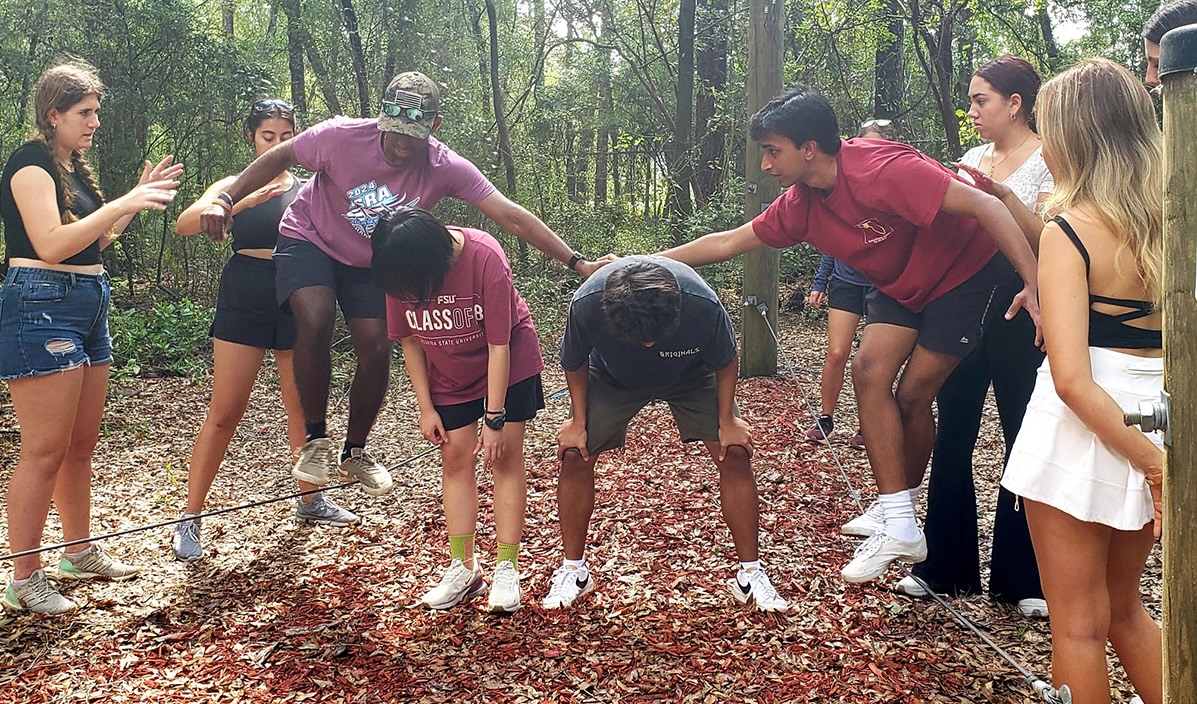
High school graduating seniors with a distinguished record of community involvement and a strong desire to continue to learn through service are encouraged to apply. Competitive candidates have community involvement beyond the normal requirements for high school graduation or Florida Bright Futures scholarships, both in quantity and depth of service. A commitment that exhibits initiative and leadership will be given greater consideration. International and out-of-state students are welcome to apply.
2026 Express Applications
We are currently accepting applications in an express round for Class 30 admissions. Eligible applicants:
- Will be newly admitted first-year students
- Have been enrolled at FSU in the summer or fall 2026 semesters
- Are not participating in the First Year Abroad program
- May have previously applied in the spring 2026 cycle
Express applications are due Aug. 12 at 11:59 p.m. EST.
Students will be notified of their application status no later than Monday, Aug.17.
APPLY
Family & Guardian Information
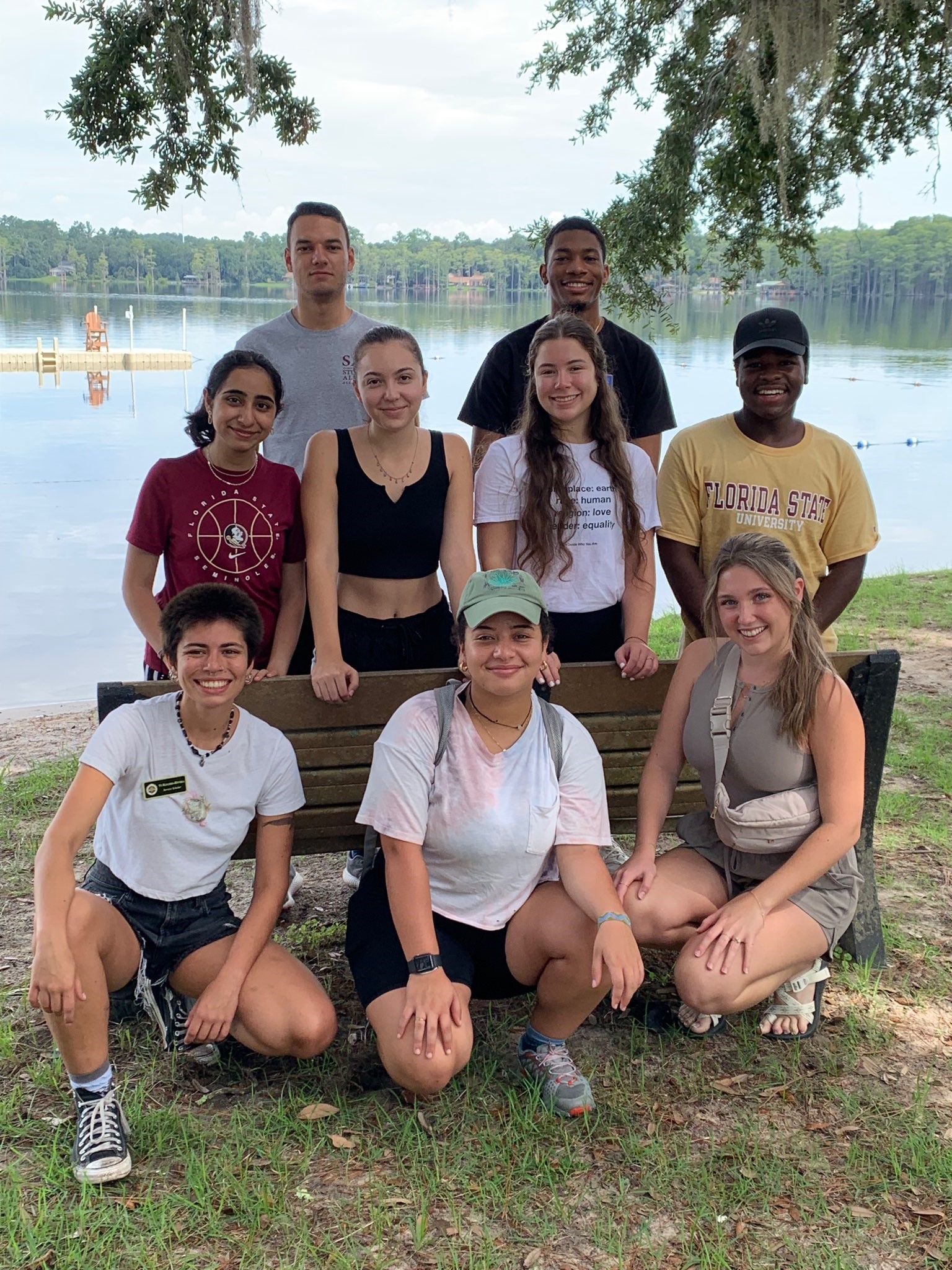
The Service Scholar program becomes a chosen family for many. This emphasis on "family" is not in competition with families of origin or upbringing. Recognizing the dedicated effort of many families to support their student to reach this point in their life, the Service Scholar program wants to provide a 'Family Guide' resource that may assist families continue that support as their student applies for Service Scholars.
This guide is intended for parents and guardians of students interested in applying for the Service Scholar program. The guide also contains information relevant for parents and guardians of current Service Scholars. The Service Scholar program exists as an additional co-curricular opportunity for students at Florida State University, and as such participation and records related to participation are considered part of a student’s educational record. These records are protected by the Family Educational Rights and Privacy Act, commonly referred to as FERPA. While quite different than HIPAA (Health Insurance Portability and Accountability Act) which establishes patient record privacy standards within healthcare settings, similarities can be drawn for ease of explanation and understanding. In the way that a medical record belongs to the patient, educational records belong to students. And, in a comparable manner that patients can release specific records to specific third parties, students can also release limited pieces of their educational record to parties of their choosing. The University refers to this release as “delegated access.” Students may contact the University Registrar’s Office for additional information regarding delegated access and the release of specific educational records.